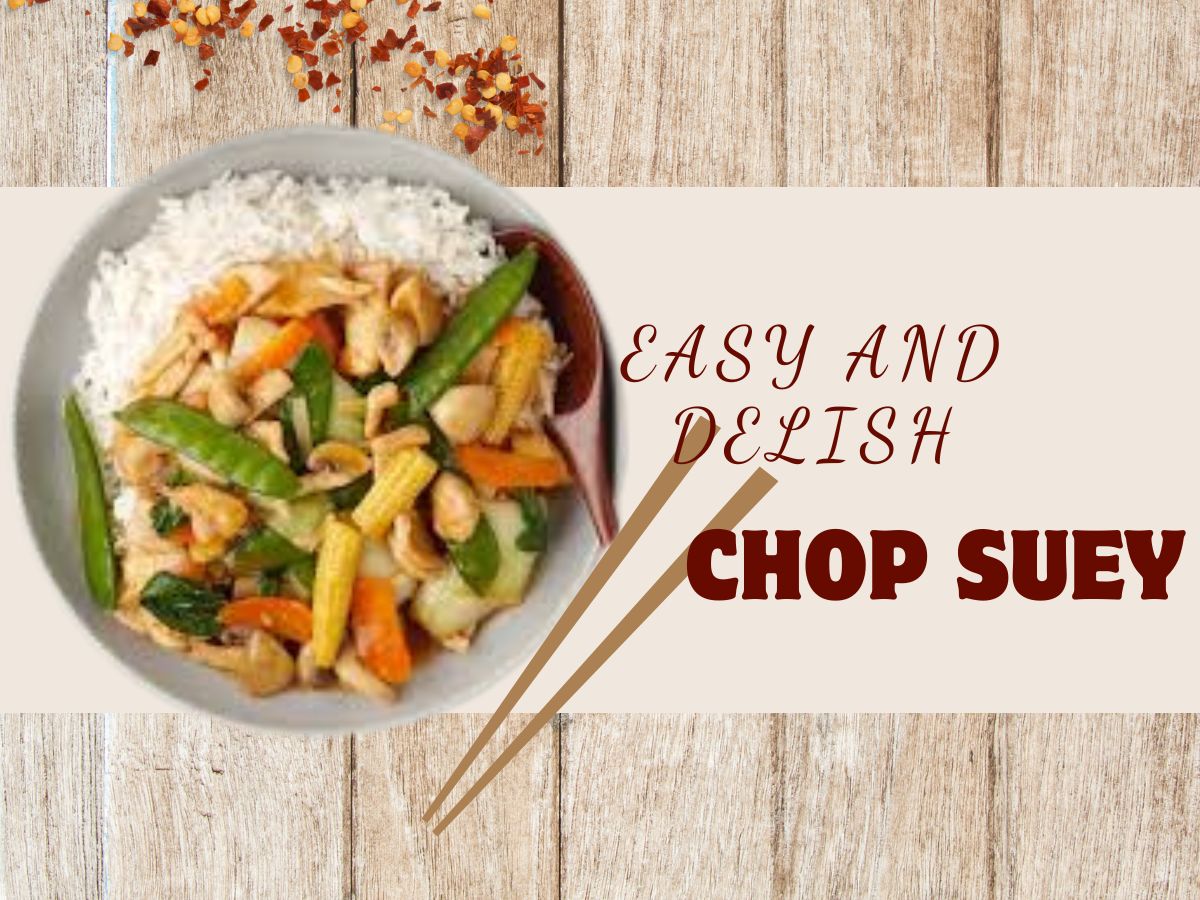
Why Ditch the Takeout? The Allure of Homemade Chinese Takeout Chop Suey
Few dishes evoke the comfort and nostalgia of a classic stir-fry quite like Chop Suey. For many, the very mention conjures images of bustling chinese takeout chop suey containers, brimming with tender meat, crisp vegetables, and that irresistible, savory brown sauce. And let's be honest, who hasn't secretly enjoyed the convenience (and guilty pleasure) of the canned version, perhaps even savoring a spoonful of its distinct sauce straight from the tin?
While there's certainly a place for these quick fixes, the pursuit of truly exceptional flavor and genuine nutritional value often leads us back to our own kitchens. Canned Chop Suey, while low in calories, often leaves much to be desired in terms of fresh ingredients and complex flavors. Similarly, not all takeout is created equal. The good news? Crafting a homemade, restaurant-quality Chop Suey that rivals – and often surpasses – your favorite Chinese restaurant isn't just possible; it's surprisingly simple and incredibly rewarding. Imagine a vibrant medley of fresh, crunchy vegetables and succulent protein, all bathed in a rich, authentic sauce that you control. Your taste buds (and your body) will thank you.
The Culinary Canvas: Building Your Perfect Chop Suey
Chop Suey, at its heart, is a testament to the versatility and adaptability of Chinese stir-fry. Often described as a slightly westernized take on a classic stir-fry, it means there are no rigid rules for what goes in it. This freedom allows you to truly make it your own, transforming your pantry staples and favorite fresh produce into a culinary masterpiece. The general characteristics, however, remain consistent: a generous amount of a light brown, flavorful sauce that's thick enough to cling beautifully to every strand of rice or noodle, and a delightful mix of textures.
The Vegetable Symphony
The beauty of Chop Suey lies in its vibrant array of vegetables. Think of them as your culinary canvas. The reference context highlights fantastic choices like bok choy, mushrooms, bamboo shoots, and bean sprouts, all of which contribute unique textures and flavors. Many Chinese restaurants also favor Asian greens like Choi Sum, crunchy carrots, and various mushrooms. But don't feel limited:
- Leafy Greens: Beyond bok choy and Choi Sum, consider spinach or napa cabbage for a softer texture.
- Cruciferous Crunch: Broccoli florets or thinly sliced cauliflower add heartiness and an earthy flavor.
- Colorful Peppers: Red, yellow, or green bell peppers bring sweetness and a visual pop.
- Water Chestnuts: For an extra layer of crispness, add sliced water chestnuts.
The key is to select fresh, seasonal vegetables that you enjoy. The more varied your selection, the richer the nutritional profile and the more appealing your Chop Suey will be. Plus, they just look so pretty together!
Protein Powerhouse
While chicken is a popular choice for quick chicken chop suey, Chop Suey is incredibly adaptable. You can use:
- Chicken: Breast or thigh are both excellent. Thighs offer more juiciness, while breasts are leaner.
- Pork: Thinly sliced pork loin or tenderloin works wonderfully.
- Beef: Flank steak or sirloin, thinly sliced against the grain, can be incredibly tender.
- Shrimp: For a seafood twist, add peeled and deveined shrimp.
- Tofu: Extra-firm tofu, pressed and cubed, is a fantastic vegetarian option.
Unveiling Restaurant Secrets: Two Game-Changers for Authentic Flavor
Have you ever wondered why your homemade stir-fries, while delicious, don't quite hit that specific "takeout taste"? The secret often lies in two fundamental techniques frequently employed by skilled Chinese restaurant chefs. Incorporating these into your cooking will elevate your Chop Suey from good to genuinely spectacular.
1. The Magic of Shaoxing Wine
If there's one ingredient that truly defines the depth and complexity of authentic Chinese cuisine, it's Shaoxing wine. This amber-hued rice wine is not just for drinking; it's a culinary powerhouse. Used by the gallon in Chinese kitchens worldwide, it imparts a unique aromatic quality, a subtle sweetness, and a profound umami that can't be replicated by other ingredients alone. Even a small amount can transform the most basic sauce into something truly special, adding layers of flavor that make your homemade Chop Suey sing.
- What it is: A fermented rice wine with a rich, nutty, and slightly sweet flavor profile.
- Why it matters: It enhances the overall aroma, adds complexity, and provides a crucial umami depth.
- Substitutes: If you can't find Shaoxing wine, good alternatives include dry sherry or mirin (though mirin is sweeter, so adjust other sugars). For a non-alcoholic option that still boosts flavor significantly, substitute water in your sauce with chicken broth or stock. While not identical, chicken broth adds a savory foundation that water simply can't.
2. The Art of Velveting Chicken
That incredibly tender, almost "velvety" texture of chicken in restaurant stir-fries isn't achieved by magic; it's a technique called "velveting." This process locks in moisture and tenderizes the meat, resulting in a silken texture that's a hallmark of professional Chinese cooking. While there are several velveting methods, the simplest and most effective for home cooks involves a common pantry item:
- The Baking Soda Method: Slice your chicken (or other protein) into bite-sized pieces. Toss it with just a small pinch of baking soda (bi-carb) – approximately ¼ teaspoon per pound of meat. Allow it to sit for 20-30 minutes. The baking soda slightly raises the pH of the meat, breaking down some muscle fibers and making it incredibly tender.
- Rinse Thoroughly: After tenderizing, rinse the chicken very well under cold water to remove any residual baking soda. This is crucial to prevent a metallic taste. Pat it dry before cooking.
- The Difference: You'll be astonished by how juicy and tender your chicken breast or tenderloins become. Velveting is optional for naturally juicier cuts like chicken thighs, but for leaner meats, it's a game-changer.
Mastering the Stir-Fry Technique for Flawless Chop Suey
The "stir-fry" aspect of Chop Suey implies speed and high heat, designed to cook ingredients quickly while maintaining their crispness and vibrant color. Getting the sequence right is key to preventing overcooked mush or undercooked raw bits.
The 5-Minute Stir-Fry Principle
Chop Suey, at its core, is a rapid-fire culinary endeavor. A well-executed stir-fry can truly come together in just minutes once your ingredients are prepped. This starts with a hot wok or large skillet and a methodical approach:
- Aromatic Foundation: Begin by sautéing minced garlic and sliced onion (or ginger) in a touch of oil until fragrant. This builds a foundational layer of flavor for the entire dish.
- Protein Power: Add your velveted (and rinsed) chicken or chosen protein. Stir-fry until it's just cooked through and lightly browned. Remove it from the wok and set aside; this prevents overcooking while the vegetables cook.
- Vegetable Layering: This is where the "order of cooking" comes into play. Add vegetables that take longer to cook first (e.g., carrots, broccoli florets, bamboo shoots). Stir-fry for a couple of minutes until they start to soften.
- Mid-Cook Vegetables: Next, add vegetables that cook more quickly (e.g., mushrooms, bell peppers, bok choy stems). Continue to stir-fry until they are tender-crisp.
- Delicate Final Touch: Finally, incorporate delicate, fast-cooking vegetables like bean sprouts, bok choy leaves, or spinach. These only need about a minute of heat to wilt slightly and retain their vibrant color and crunch.
- Reintroduce Protein: Return the cooked protein to the wok with the vegetables.
- The Sauce Finale: Pour your prepared Chop Suey sauce (a mixture of Shaoxing wine, soy sauce, oyster sauce, sugar, sesame oil, and cornstarch slurry for thickening) over everything. Stir constantly for just 1-2 minutes, allowing the sauce to thicken and coat every ingredient evenly. The sauce should become glossy and adhere beautifully to the meat and vegetables.
Serve your steaming hot homemade chinese takeout chop suey immediately over fluffy white rice or noodles for an authentic experience.
Your Homemade Takeout Experience Awaits
Say goodbye to the uncertainty of takeout quality and the processed nature of canned goods. By understanding a few simple techniques – from the art of velveting chicken to the aromatic magic of Shaoxing wine – you can unlock the secrets to creating truly restaurant-quality chinese takeout chop suey right in your own kitchen. This isn't just about cooking a meal; it's about mastering a classic, customizing it to your exact preferences, and bringing the authentic flavors of your favorite Chinese restaurant home. The vibrant colors, the diverse textures, and that rich, savory sauce will undoubtedly make this homemade Chop Suey a new family favorite. So, next time that craving for chop suey recipe strikes, roll up your sleeves and prepare to impress yourself!
